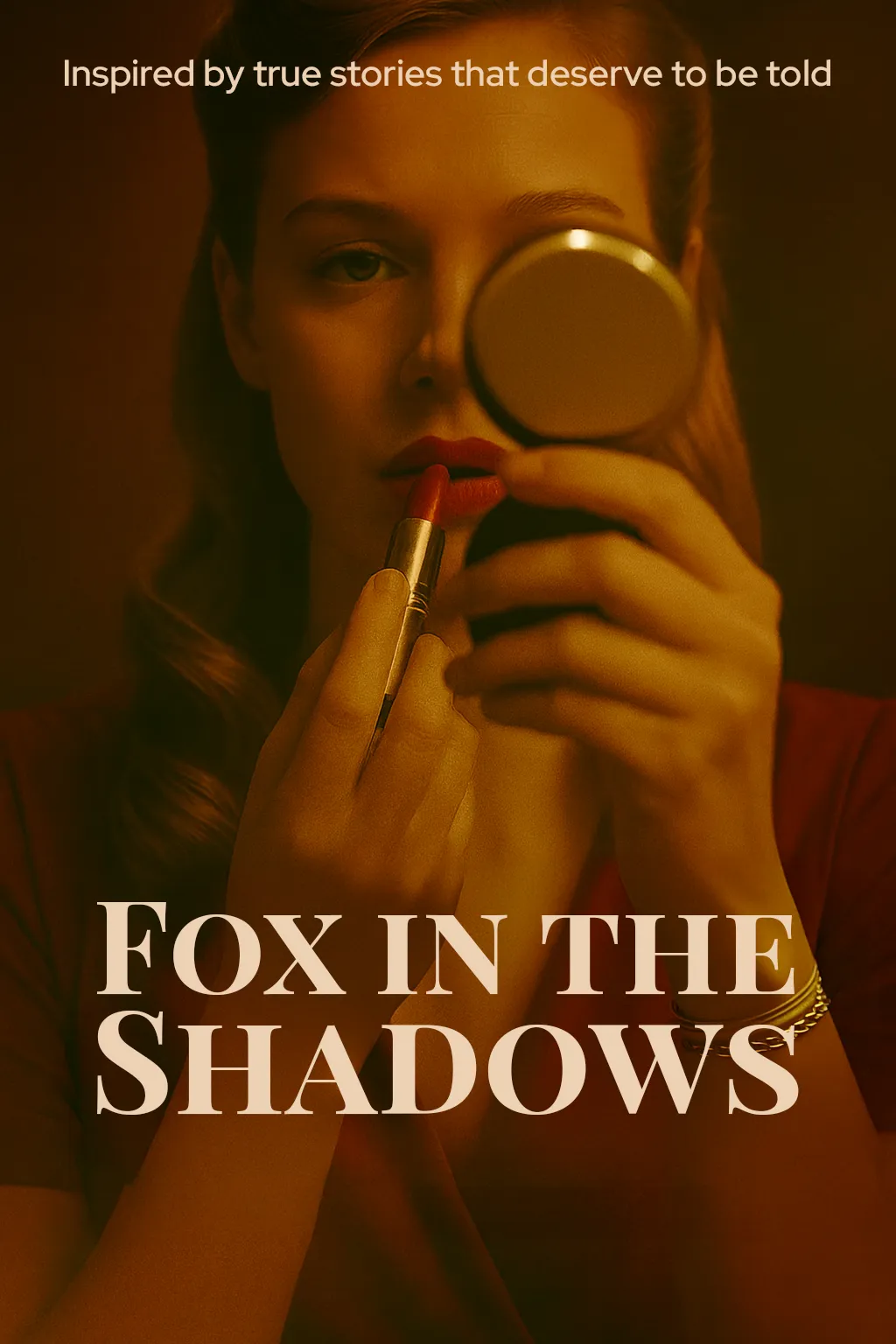
Inspired by true stories that deserve to be told.
Fox in the
Shadows
Fox in the
Shadows
Resistance, Courage, & Empowerment
Resistance, Courage, & Empowerment
Fox in the Shadows is a historical short thriller rooted in emotional truth and inspired by the untold stories of young women in the Dutch resistance during WWII.
The film blends intimate character drama with psychological tension, centering on the bond between two sisters whose moral paths diverge under the shadow of occupation.
Production scheduled to begin autumn 2026 in Portland, OR
Logline
In Nazi-occupied Holland, 14-year-old Frieda secretly follows her resistance-fighter sister on a deadly mission. When the operation unravels in the forest, Frieda must make a split-second decision that catapults her from innocent observer to reluctant warrior.
directors Statement
Fox in the Shadows is inspired by the real-life stories of Freddie and Truus Oversteegen, two young Dutch sisters who joined the resistance against Nazi occupation.
They were teenagers who used deception, charm, and courage to lure soldiers into ambushes, and they carried that weight for the rest of their lives.
When I first read about their story, I was struck not by the violence, but by it's intimacy. These were children forced into an adult war. They didn’t experience a childhood, rather were thrust into impossible choices overnight. That tension between innocence and necessity, between lipstick and blood, is at the heart of this film.
This is not a story about glorifying violence. It’s about how no one is immune from the stench of war. It's about the exact moment when childhood ends and resistance begins. My goal is to create an emotionally grounded, visually rich short film that honors these women's legacy and resonates with modern viewers. We will craft a narrative that centers sisterhood, coming of age, and the weaponization of femininity.
The Story
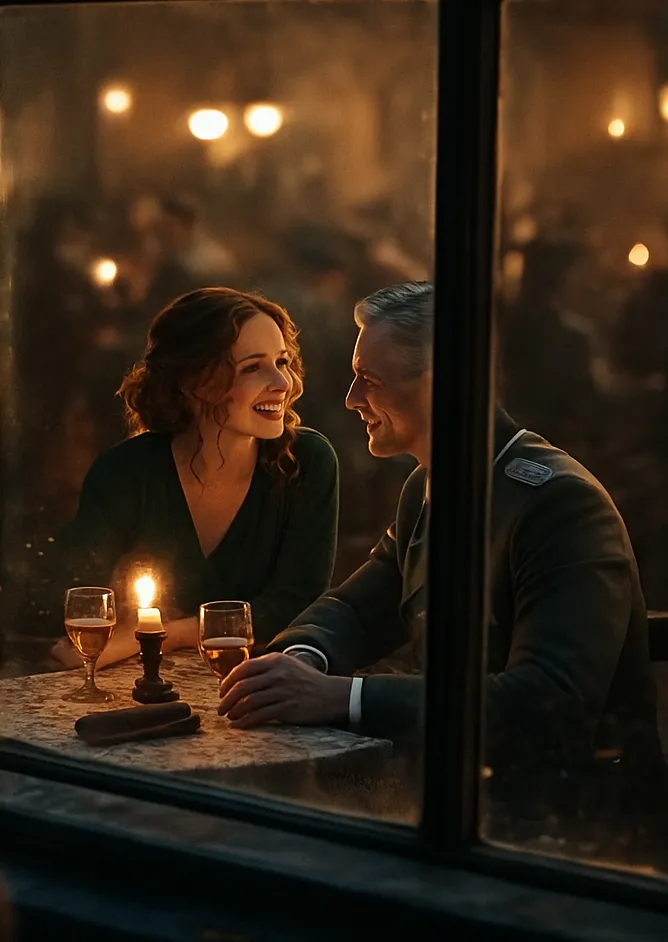
As the war tightens its grip on Nazi-occupied Netherlands, Trudi Voss, a 20-year-old resistance operative, slips into the shadows surrounding the streets. Moving through check-points with ease and into the taverns she uses charm and cunning to lure enemy soldiers to their deaths.
Her younger sister, Frieda, desperate to be her, follows from the darkness. When tragedy strikes, Frieda witnesses her sisters death, and the moment her own childhood ends.
What begins with lipstick and gossip becomes a ritual of blood and inheritance. A haunting tale of courage, grief, and the sacrifices so many made to save their homeland.

Core Themes
These themes bring emotional intimacy to an untold corner of history, making the story both personal and universally relevant. speaking to modern audiences, and festivals seeking fresh, character-driven perspectives on true wartime narratives.
The Strength of Femininity
Trudi and Frieda both manipulate the enemy’s assumptions about women: beauty, naivety, submission; as tools of resistance. Their femininity is both camouflage and weapon. This theme subverts the usual wartime gender dynamics and adds subtext to nearly every scene in the tavern.
Sisterhood & Legacy
The emotional core is the bond between Trudi and Frieda. Their connection isn’t sentimental. Trudi acts as both soldier and mother. Frieda, in turn, is driven not just by the mission, but by loyalty, grief. She abandons her childhood to follow her instinct to finish what her sister started.
Sacrifice in Silence
This story isn’t about loud heroics, it’s about the quiet, unrecognized choices made behind the scenes in secrecy. Sacrificing comfort, safety, and ultimately, parts of themselves for survival, family, and country.
The Loss of Innocence
Frieda’s arc is a clear coming-of-age: from protected younger sister to active resistance member. The transition isn’t romanticized, it's "war steals childhood", tragic and inevitable. This theme captures how innocence is lost, and repurposed for something bigger than each of us.
The Characters
Trudi Vos
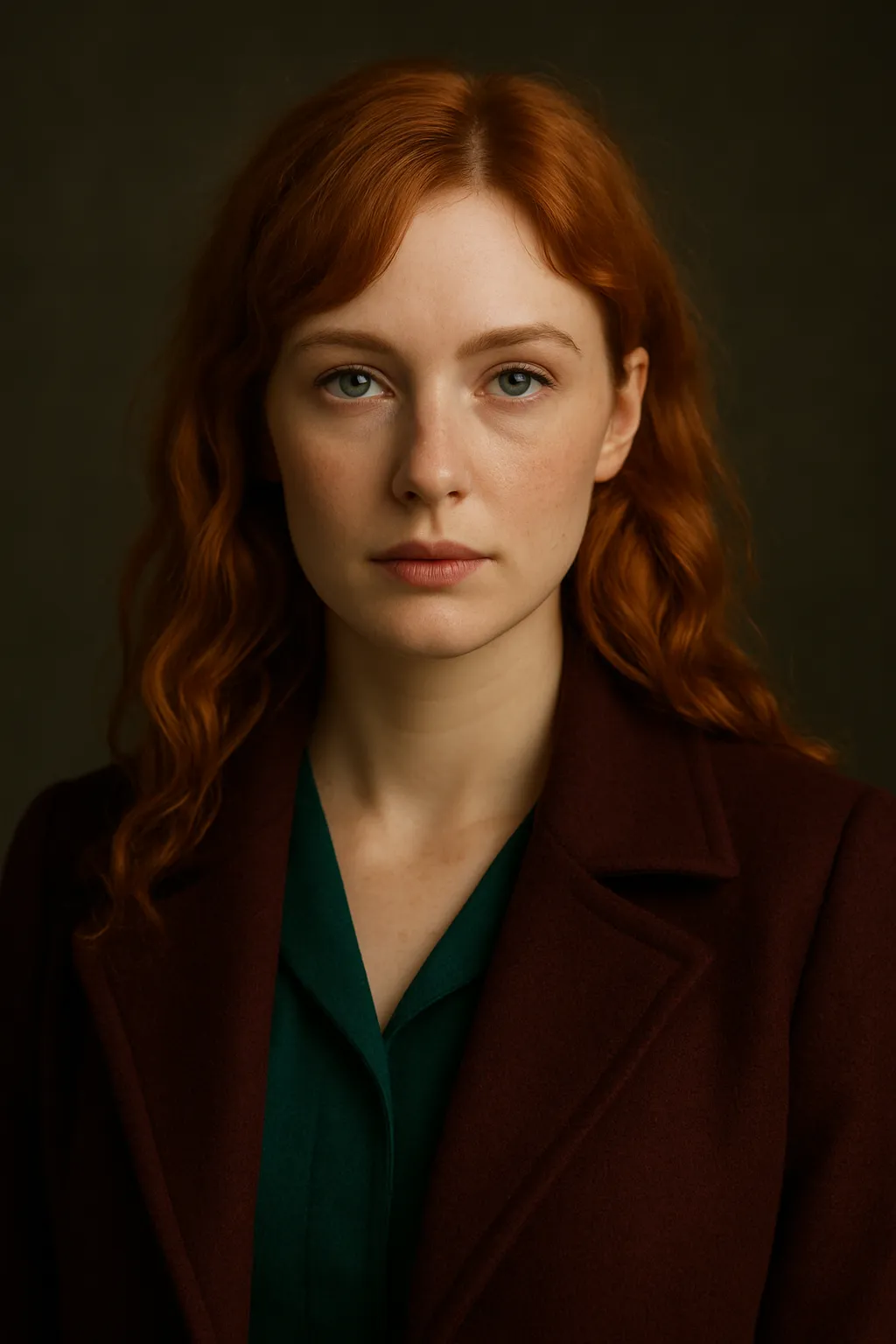
Trudi Vos
Trudi Vos is 20—young, beautiful, and deeply embedded in the Dutch resistance. After losing her mother, she became both soldier and protector, leading missions by night and shielding her sister, Frieda, by day. Trudi doesn’t wear a uniform, but she thinks like a tactician—measured, poised, and dangerous when she needs to be. She fights with charm, strategy, and unshakable resolve, all while carrying the quiet weight of what she’s seen—and what she’s willing to do.
Frieda Vos
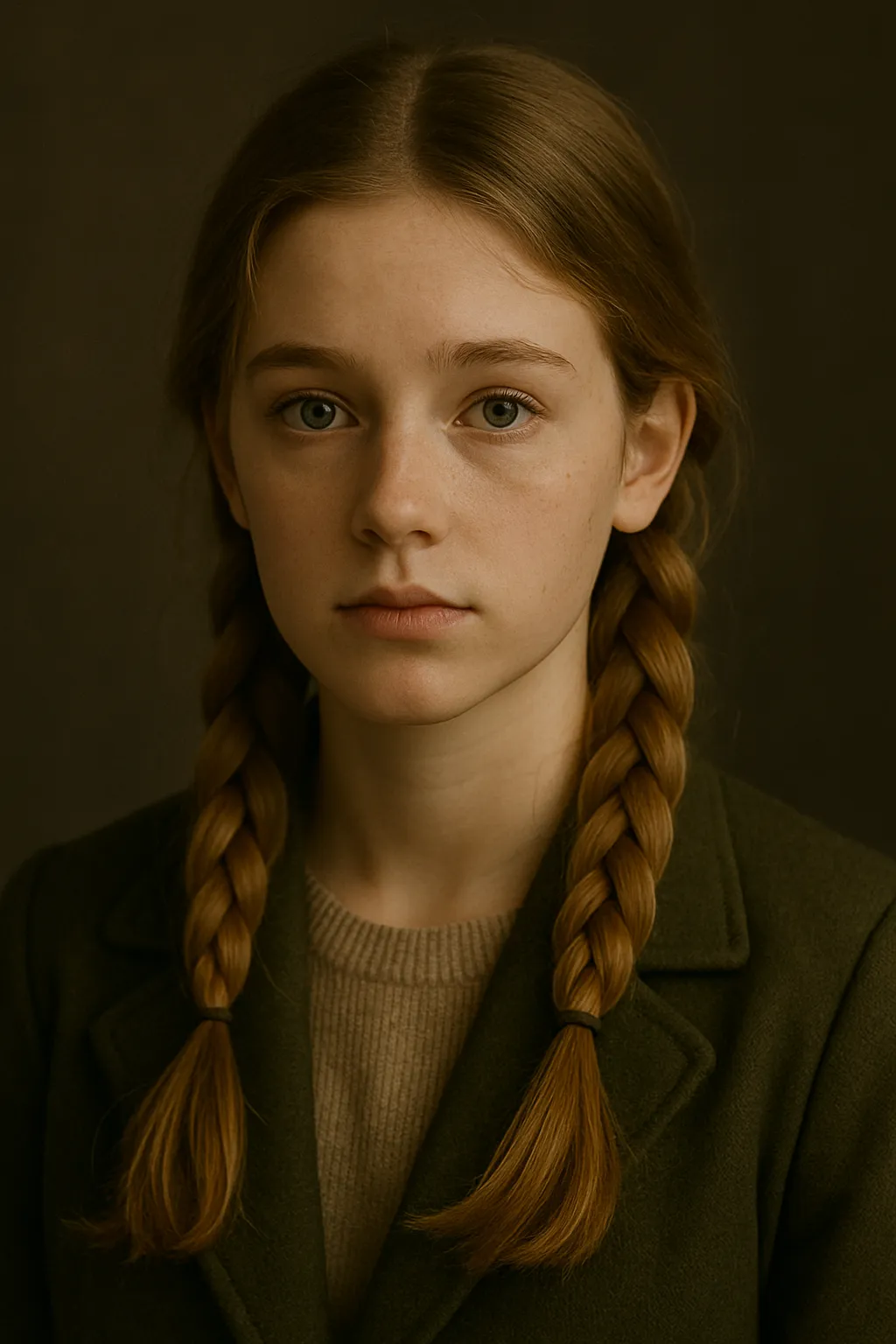
Frieda Vos
Frieda Vos is just 15, but war has already redrawn the shape of her childhood. Sheltered by her older sister Trudi, after the loss of their mother, she’s spent years watching from the sidelines. Intelligent, intuitive, and braver than she realizes, Frieda is thrust into a moment that claims everything: her family, and her innocence. What begins as curiosity turns to survival, and transformative. We witness not only the loss of her childhood, but the effect of war, turning the young into hardened warriors.
SS OFFICER

SS Officer
Well-dressed, well-spoken, and utterly chilling. The SS Officer in Fox in the Shadows is more than a symbol of Nazi authority, he’s a predator in plain sight. Beneath his calm demeanor lies a sharp intuition and a hunger for control. He enjoys the cat-and-mouse tension of power, especially with women he thinks serve him. But what he doesn’t see is that the trap isn’t his to set. He brings with him the seductive danger of the regime: clean on the surface, rotted underneath. He’s the man who smiles while hunting the enemy.
Frieda's Transformation
The heart of this story. Offering a universal, relatable hook - particularly for younger audiences and festival juries.
Visual Style & Tone
A Hauntingly Beautiful Blend of Light and Shadow
Act I — Mildred is Alive
Aspect Ratio: 16:9
A grounded, domestic frame that supports the realism of Mildred’s lonely but ordinary morning. The wider ratio gives a sense of space above and below, but keeps the sides of the frame tighter, boxing her in.
Lighting: Warm, Motivated by Sunrise
Light spills in through the windows with a warm, golden hue, evoking the feeling of life.
The kitchen, dining area, and front room glow gently with morning softness, suggesting the remains of a daily ritual she performs out of habit, not purpose.
Mood: Static but Familiar
Compositions are still, centered, and locked-off with no extra movement, merely observational. Subtly emphasizing her boxed-in world.
Why Now?
In a time where history is being re-examined through the lens of gender and agency, Fox in the Shadows brings forward the story of young women who fought without recognition. Their story is cinematic, deeply human, and overdue for the screen.
This film honors the unseen heroes of history while speaking directly to contemporary conversations about women's agency, resistance, and the power of untold stories.
Act II — Death’s Arrival
Aspect Ratio Shift: 2.4:1 Cinemascope
This new aspect ratio introduces subtle tension and unease—a world that is more cinematic, and less alive.
Anamorphic lenses warm the edge of the frame, suggesting an in-between world.
Lighting: Soft, Cool, Cloud-Diffused Daylight
The natural light remains motivated by the same windows, but no longer feels warm. The sunlight is now softer, cooler, and more indirect. Subtle gray-blues and gentle shadows. No golden warmth.
Atmosphere: Subtle Haze from the Shower
A slight visible haze lingers in the air, grounded in story logic: the shower was running when Mildred died. It adds a supernatural glow to the space, softening edges, and textures.
Festival Strategy – Target Audience Summary
Fox in the Shadows aims to connect emotionally with viewers who appreciate nuanced storytelling, period authenticity, and themes of identity, sacrifice, and female empowerment.
Female-driven Empowerment Narratives
Theme Comps:
• The Hunger Games (2012)
• Hidden Figures (2016)
• Zero Dark Thirty (2012)
WWII Period Inspired True Stories
Theme Comps:
• Dunkirk (2017)
• The Book Thief (2013)
• Unbroken (2014)
Sisterhood & Sacrifice
Theme Comps:
• The Hunger Games (2012)
• A Quiet Place (2018)
• Little Women (2019)
Key Team Members

Chris Liles is an experienced writer/producer/director whose talents bring depth and cinematic vision to Fox in the Shadows. He has previously written, produced, and directed the award nominated short film The Promise (2024), and is currently in post production on Purgatory Pending (2026), demonstrating his all-in creative approach. With a background that includes underwater cinematography and camera work on high-profile TV programs like Shark Week and Top Chef, Chris brings a technical precision and visual flair that creates compelling storytelling.
Festival Strategy & Distribution
Production & Post
Filming in Sept-Oct 2026 with post-production completed by March 2027 to meet 2027/28 festival submissions.
Festival Circuit 2027
Total Campaign Duration: 18 months Start of Festival Submissions: June 2026 Public Release: After final major festival screening (target mid-2027)
Targeting mid to top-tier North American festivals including premiering at Palm Springs International ShortFest (the largest U.S. short film festival, great industry exposure. Ideal U.S. or world premiere.), Aspen Shortsfest (CO), Indy Shorts International Film Festival (IN), HollyShorts Film Festival (CA), Santa Barbara International Film Festival (CA), Cleveland International Film Festival (OH).
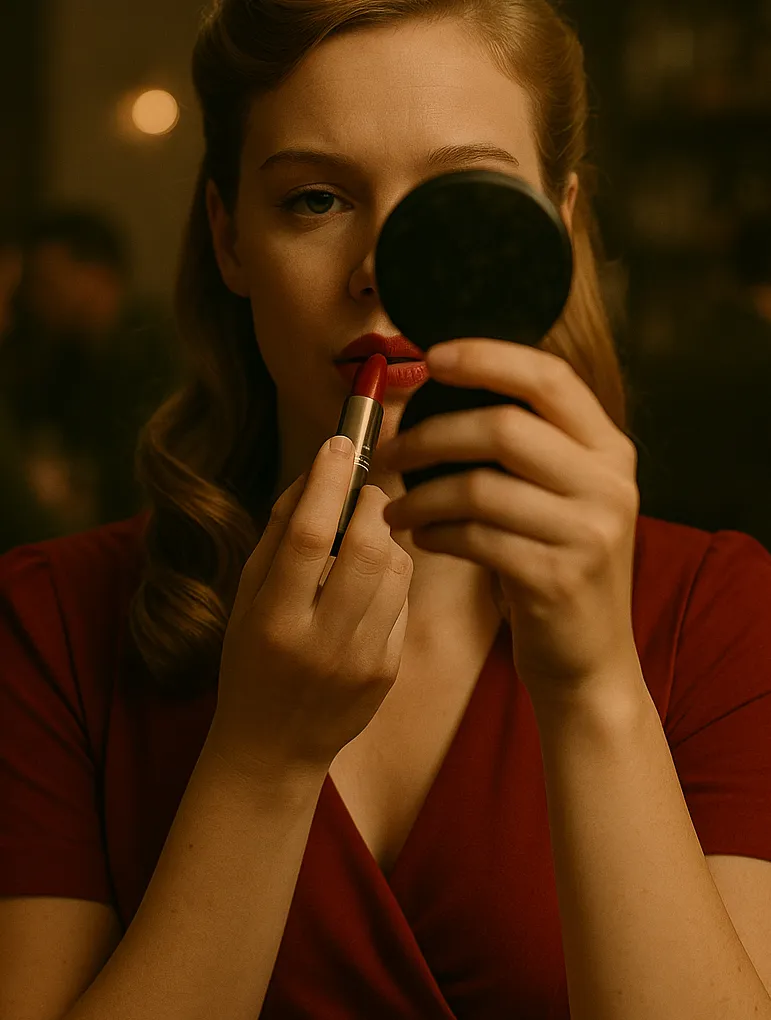
Scenes
Apartment
Location: TBD
Inspired by true stories of resistance, sisterhood, and survival.

Smokey Tavern
Location: TBD
The Fox in the Eagles Nest; stage for seduction and deadly encounters
Forest
Location: TBD
Frieda evolves from a protected sister to a cunning survivor